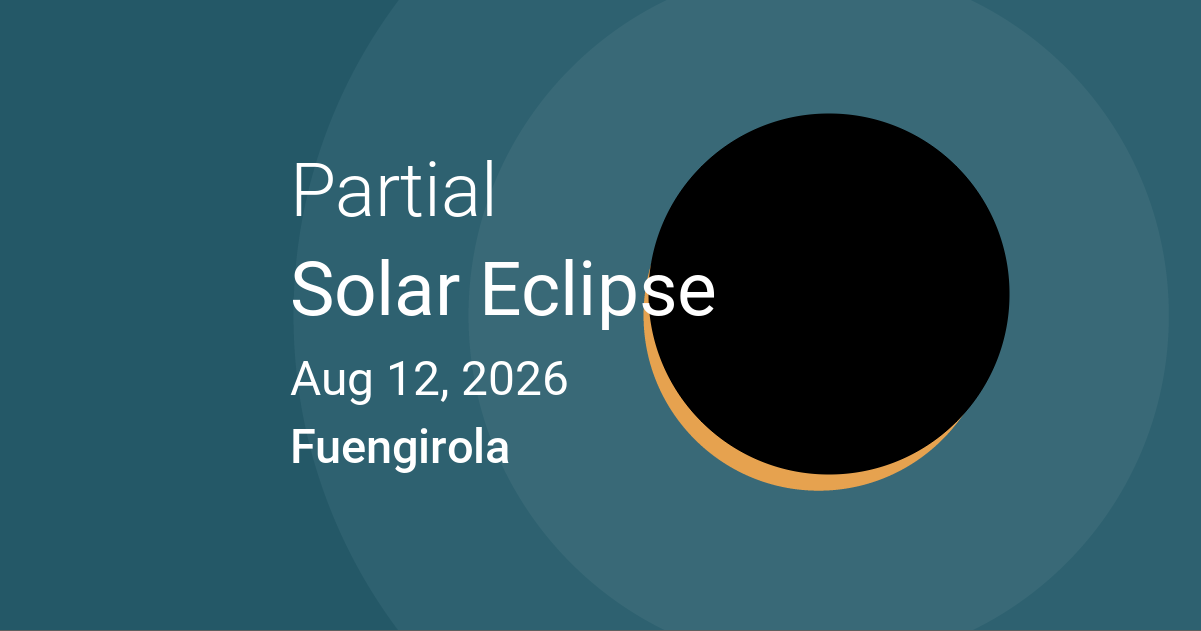
The Mystery of "Ver Eclipse Málaga": Why Your Search Comes Up Empty
For many astronomy enthusiasts and curious locals, the query "ver eclipse málaga" is a direct and logical attempt to find information about celestial events observable from the beautiful Spanish city of Málaga. Whether it's the anticipation of a solar or lunar eclipse, the desire to witness such a spectacle often leads people to their search engines, expecting a wealth of details: dates, times, best viewing spots, and safety tips. However, if you've ever typed "ver eclipse málaga" into your search bar and been met with irrelevant pages, broken links, or a general lack of specific, authoritative content, you're not alone. This article delves into the perplexing reasons behind these empty or unhelpful search results, exploring how the dynamic nature of online content, rather than a lack of astronomical events, often dictates what we find – or don't find – in the digital realm.
The Elusive Nature of "Ver Eclipse Málaga" Search Results
When you search for "ver eclipse málaga," your primary intent is clear: you want to observe an eclipse from Málaga. This implies a need for current, localized, and actionable information about upcoming astronomical phenomena. Yet, the internet, for all its vastness, can be surprisingly inefficient at delivering specific historical or even present-day niche content, especially when that content is subject to the ever-changing landscape of digital platforms. The digital footprint of information is not static; it evolves, shifts, and sometimes, it simply disappears.
Imagine a situation where a local astronomy club in Málaga posted an article about a minor lunar eclipse five years ago. That article, once relevant, might now be buried under newer content, or worse, it might have been removed entirely during a website redesign or content audit. This phenomenon is far more common than many users realize. Websites undergo changes, platforms merge, and old data is often purged to make way for new. This isn't just about outdated information; it's about the very accessibility and permanence of digital records. The expectation is that a significant event like an eclipse would leave a lasting digital trail, but the reality of content management can often dictate otherwise, making even a straightforward search like "ver eclipse málaga" surprisingly unrewarding.
Unpacking the Digital Void: Content Retirement and Migration
One of the most significant factors contributing to the elusive nature of specific search results for queries like "ver eclipse málaga" is the lifecycle of digital content itself. Just as physical archives have retention policies, online platforms constantly manage their vast repositories of information through processes known as content retirement and content migration.
What is Content Retirement?
Content retirement refers to the deliberate act of removing or archiving old, outdated, or irrelevant information from a live website or database. While this might seem counterintuitive for those seeking comprehensive knowledge, it's a necessary practice for several reasons:
*
Accuracy and Relevance: Information, especially in fields like astronomy, can change. Old predictions or viewing guides for past events become obsolete. Keeping them live could confuse users or propagate incorrect data.
*
Website Performance: Excessive amounts of old content can slow down website loading times, consume valuable server space, and make site navigation cumbersome.
*
Search Engine Optimization (SEO): Outdated or low-quality content can negatively impact a website's overall SEO ranking. Retiring such content can improve the site's authority and visibility for current, relevant topics.
*
Platform Changes: As online platforms evolve, old content formats or databases may become incompatible, prompting their removal or conversion.
Consider the example of a Microsoft support platform or a World of Warcraft forum, as hinted by the references. Content on such platforms is frequently retired when it's no longer pertinent (e.g., troubleshooting for an old OS, information about a deprecated game feature). While an eclipse isn't a tech issue, the principle applies: any specific article, forum post, or news item detailing a past "ver eclipse málaga" event could easily fall victim to a similar content retirement strategy if it's deemed too old or niche by the platform hosting it. This leads to a digital dead-end for users trying to find that specific piece of information. For a deeper dive into how this impacts information availability, read
Málaga Eclipse Info: The Impact of Content Retirement.
The Challenges of Content Migration
Content migration is another common practice where information is moved from one system, database, or website to another. This often occurs during:
*
Website Redesigns: When a website gets a new look and feel, its underlying structure (URLs, page IDs) often changes.
*
Platform Upgrades: Moving from an older content management system (CMS) to a newer, more robust one.
*
Mergers and Acquisitions: When companies or organizations combine, their digital assets are consolidated.
While migration aims to preserve content, it's a complex process fraught with potential issues. Broken links (404 errors), lost metadata, corrupted files, and altered URLs are common casualties. Even if an article about a "ver eclipse málaga" event was technically migrated, a change in its URL structure could render existing external links useless and make it incredibly difficult for search engines to re-index and present it effectively. The old path to that specific piece of eclipse information might simply cease to exist, leaving your search query unanswered despite the content perhaps existing elsewhere in a new, unlinked location. The intricacies of this process often mean that valuable historical information becomes virtually invisible. To learn more about this specific challenge, refer to
Content Migration Hides Málaga Eclipse Details.
Beyond the Obvious: Why Specific Queries Can Lead to Dead Ends
Beyond the technical aspects of content management, other factors contribute to the sparsity of results for "ver eclipse málaga":
*
Lack of Specific Content Creation: It's possible that a dedicated, prominent article using the exact phrase "ver eclipse málaga" was never widely created or indexed. While eclipses are significant, local reporting might have used broader terms ("astronomical event in Málaga," "solar eclipse visible from Andalusia") or focused on the general science rather than the hyper-local viewing experience.
*
Information Under Different Keywords: Search engines are smart, but they still rely heavily on keywords. If the information exists under "eclipses visible in southern Spain" or "astronomy events Málaga 2024," your specific query might not hit the most relevant results directly. Broader or more official terminology often takes precedence over colloquial search phrases.
*
Niche Databases and Paywalls: Some highly specialized astronomical data or historical records might reside in academic databases, observatory archives, or subscription-based platforms that are not publicly indexed by general search engines.
*
Outdated Event Information: Most eclipses are fleeting events. Once they've passed, the urgency and therefore the digital prominence of related information diminish rapidly. While a historical record might exist, it may not be optimized for current searches, especially if it was a minor event.
*
Misinterpretation of User Intent: Occasionally, search engines might misinterpret the nuanced intent of a query. While "ver eclipse málaga" is clear to a human, an algorithm might struggle if the supporting content ecosystem for that precise phrase is weak or fragmented.
Strategies for Finding Reliable Astronomical Information for Málaga (and Beyond)
Given the challenges, how can you effectively find information about eclipses or other astronomical events visible from Málaga? Here are some actionable tips:
1.
Broaden Your Search Terms: Instead of highly specific phrases, try more general queries first.
* "Solar eclipse Spain [year]"
* "Lunar eclipse Andalusia [year]"
* "Astronomy events Málaga [current year]"
* "Observatorios Málaga" (Observatories in Málaga)
2.
Specify Dates: Always include the year you are interested in, or even a specific month if you have one in mind. Astronomical events are time-sensitive.
* "Solar eclipse Málaga 2026"
* "Eclipse lunar Málaga julio 2025"
3.
Consult Authoritative Sources: Go directly to the most reliable sources for astronomical information.
*
National Space Agencies: NASA (National Aeronautics and Space Administration) and ESA (European Space Agency) often provide global eclipse predictions.
*
Astronomical Observatories: Search for observatories in or near Málaga (e.g., "Observatorio Astronómico de Málaga," "Observatorio del Torcal"). Their websites are primary sources for local events.
*
Reputable Science News Sites: Websites like Space.com, EarthSky, or even the astronomy sections of major news outlets often cover upcoming eclipses.
*
Local Astronomy Clubs: Málaga likely has amateur astronomy associations (e.g., "Agrupación Astronómica de Málaga"). These clubs are invaluable for local viewing information, events, and community engagement.
*
Meteorological/Geophysical Institutes: National institutes (like Spain's IGN - Instituto Geográfico Nacional) often publish official astronomical calendars.
4.
Check Local Tourism/Government Sites: Sometimes, local city councils or tourism boards will promote significant astronomical events as tourist attractions.
5.
Use Multiple Languages: If comfortable, search in Spanish using more formal terms. "Eclipse solar visible desde Málaga" or "Fenómenos astronómicos Málaga" might yield different results.
6.
Verify Information: Cross-reference any information you find with at least two different, reputable sources to ensure accuracy.
Málaga, like any other location on Earth, is subject to the stunning occurrences of lunar and solar eclipses when celestial alignments permit. While "ver eclipse málaga" directly might not always yield immediate, perfect results due to the transient nature of digital content, the astronomical events themselves are well-documented by global scientific communities.
Conclusion
The quest to "ver eclipse málaga" highlights a fascinating paradox of the digital age: while information is theoretically limitless, specific content can be surprisingly ephemeral. The emptiness of search results for a seemingly straightforward query often has less to do with the non-existence of an astronomical event and more to do with the complex, dynamic processes of content retirement, migration, and the general lifecycle of digital information. Understanding these underlying mechanisms empowers us to become more effective online researchers. By broadening our search strategies and leaning on authoritative astronomical sources, we can navigate the digital void and successfully uncover the celestial wonders visible from Málaga, ensuring that we never miss the chance to gaze upon the sky's most spectacular shows.